

Social
media video.
Made for the way people watch.
Social media video production starts with the places your film needs to work. A vertical story, a feed edit and a short interview call for different framing, pacing and information.
I am Mark Halding. Based in Hørsholm, near Copenhagen, I produce original films for brands, businesses and agencies. We plan the shoot and the versions together, so the result has a clear visual direction and a practical purpose on each channel.
Original films. Different formats.
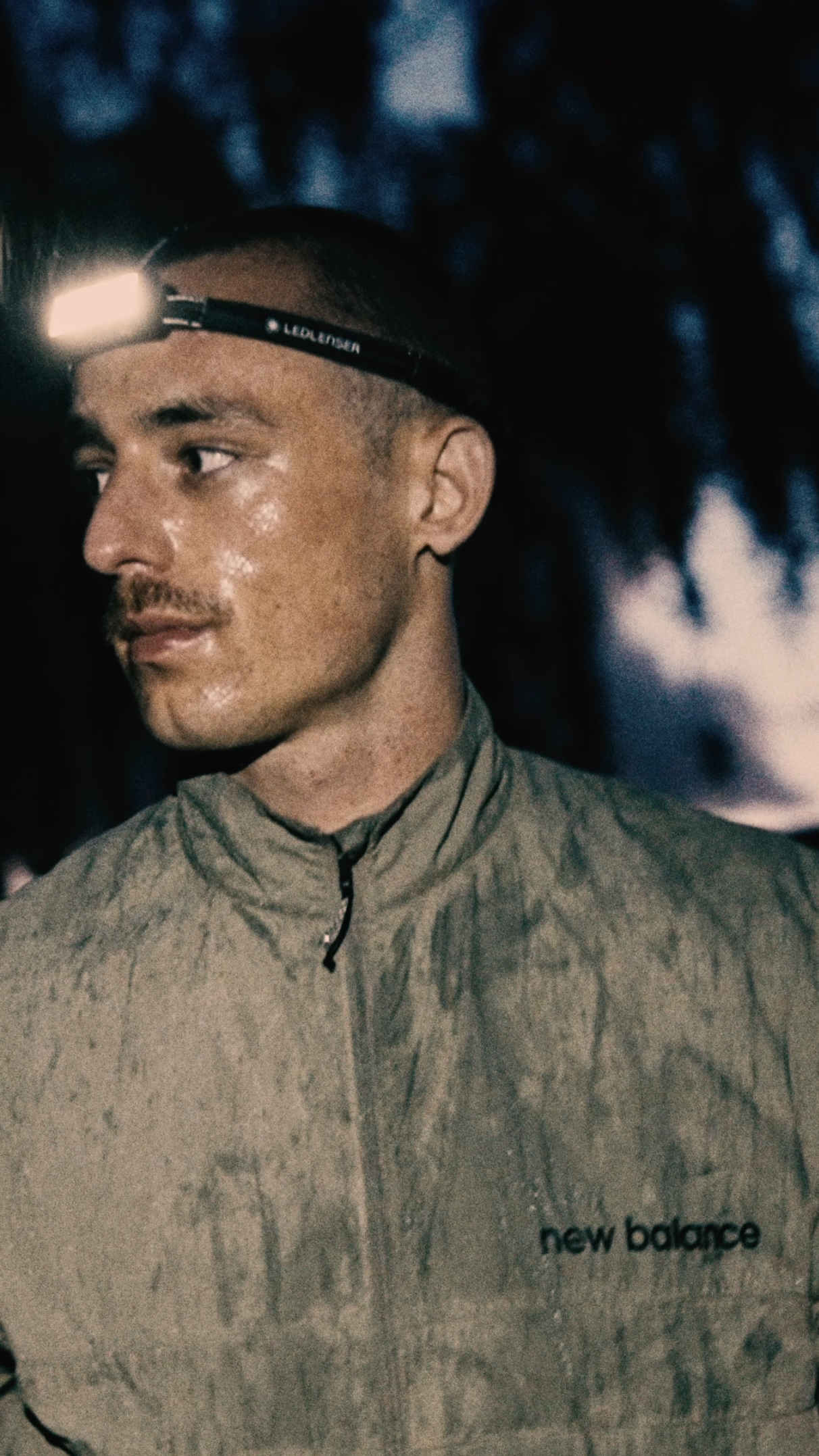
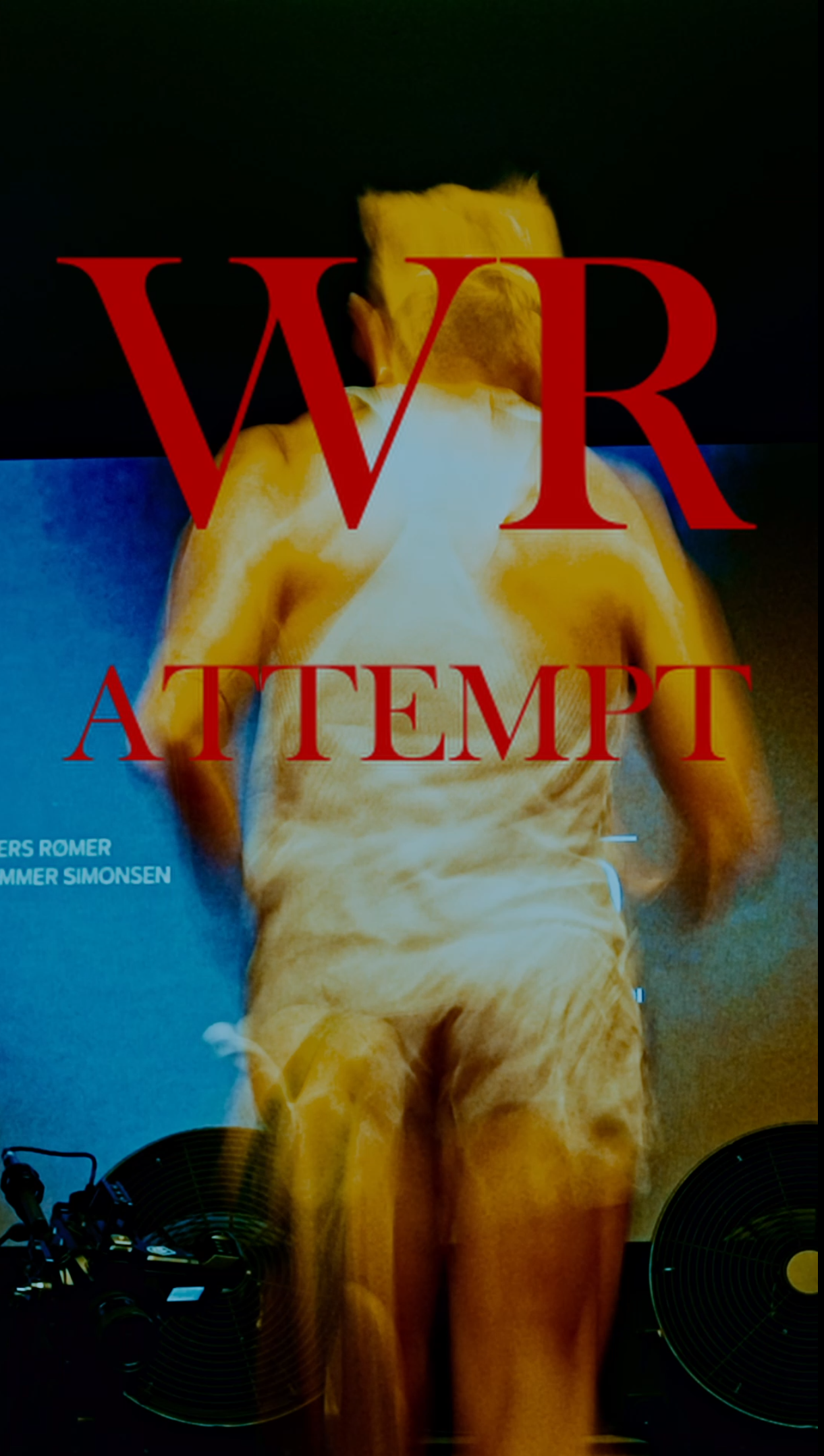
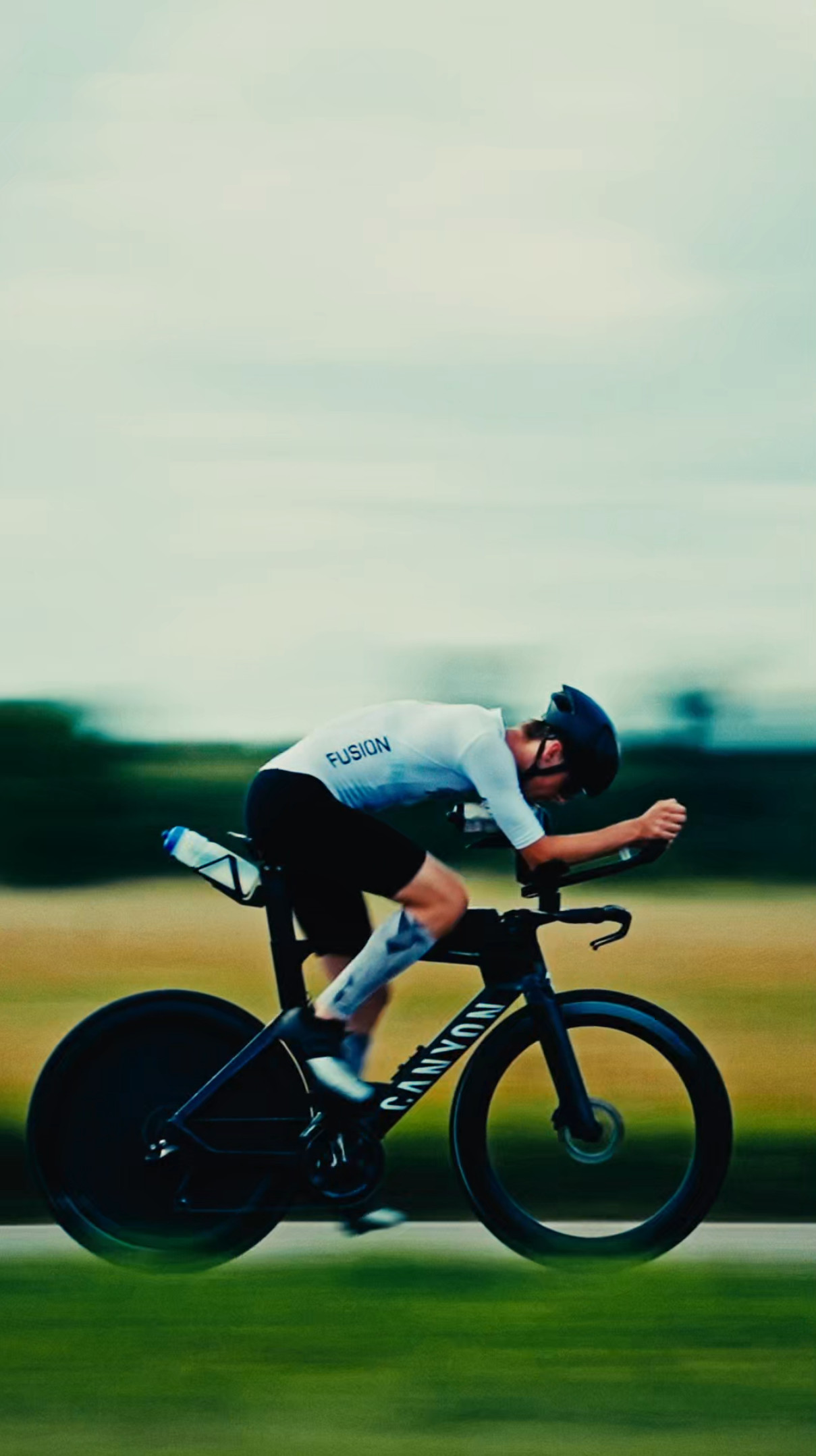
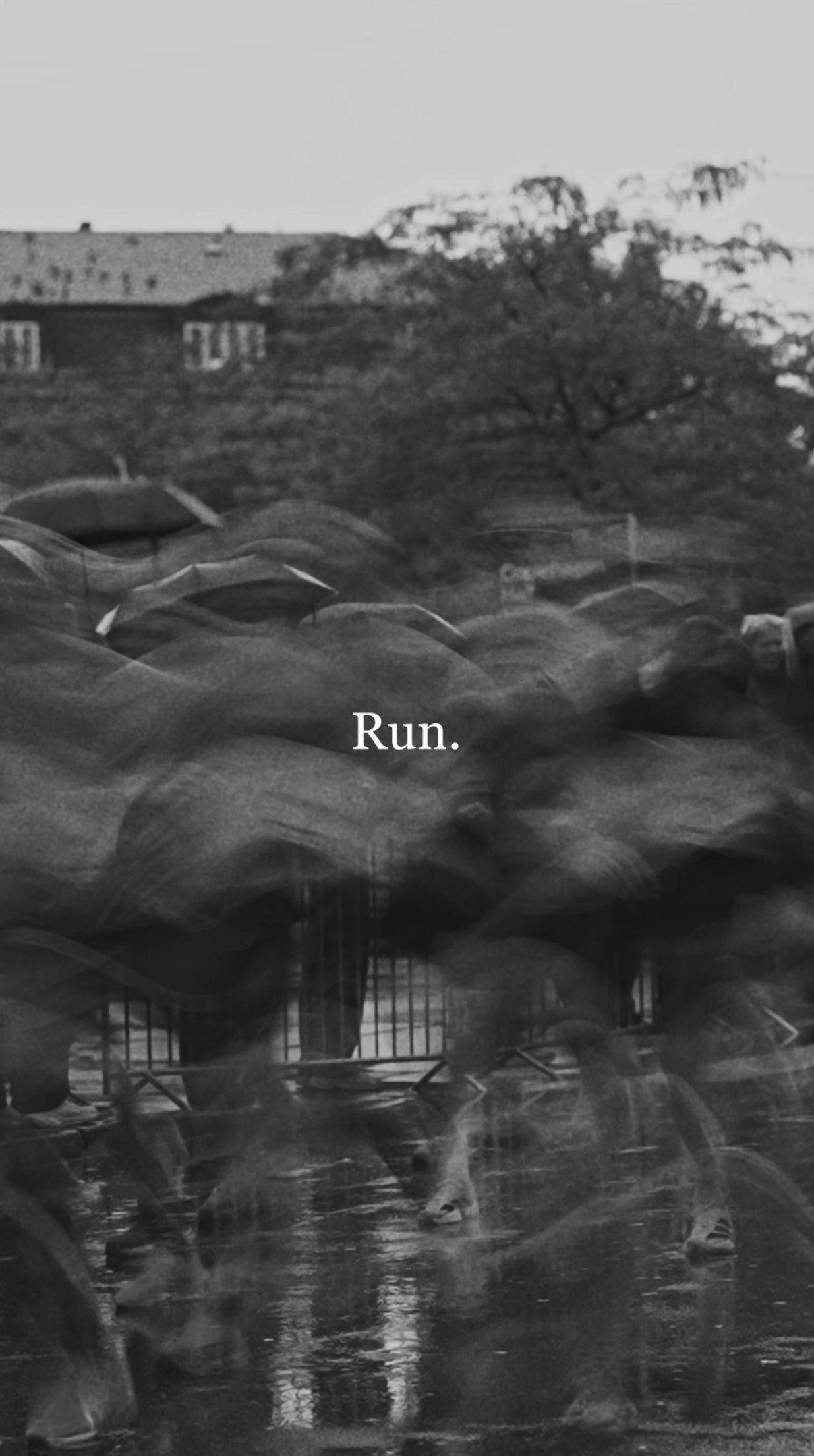
A selection of my own films featuring sport, people and movement. The vertical and landscape examples show different approaches to composition and editing. Your social media production is planned around its own audience, message and channels.

Halding Studio
The channel. The frame. The message.
One visual direction, with a purpose for every version.
Start with the channel, then plan the film
A social video works best when its purpose is specific. It might introduce a product, show a moment from a production, answer a customer’s question or give people a reason to explore a longer story. We decide what the viewer should understand before choosing the shots.
Bring the channels you use, the audience you want to reach and any existing brand guidelines. A LinkedIn interview needs a different approach from a fast visual story for Instagram. The opening, the amount of text and the role of sound should follow that use, while the production still feels like your brand.
This service focuses on the films and their versions. If your project also needs a coordinated photographic series or website material, explore content production across photography, film and websites.
Vertical framing is a production decision
A landscape film cannot always become a strong vertical film through cropping alone. A subject at the edge of the frame, two people in conversation or an important product detail may disappear. We plan the camera position and composition around the formats you actually need.
For a vertical delivery, we keep the action and essential details readable within a narrow frame. When the same shoot must also produce a landscape website film, we discuss how to capture both without forcing every shot into one compromise. Some scenes can support several crops; others deserve separate takes.
Titles, subtitles and graphic elements also need space. Platform interfaces can cover parts of the image, so we consider where important information sits. Final dimensions and safe placement are checked for the agreed channels at delivery rather than assumed from one generic template.
One shoot, a useful set of edits
The production begins with a brief and a realistic shot plan. We identify the main message, the people or products involved, the location and the scenes needed for each version. If interviews are part of the film, a topic plan helps the conversation stay clear while leaving room for natural answers.
On the day, I handle the visual production and build the team around the assignment when additional hands are needed. We look for the moments, details and transitions that can connect a short edit, not just enough footage to fill a timeline.
In editing, each version gets a purpose. A short opening can introduce the project, another cut can focus on a particular product, and a longer version can explain more. We agree the number of versions and the review process beforehand. More edits are useful when they offer a distinct message, rather than repeating the same film at several lengths.
Sound, subtitles and handover
People may encounter your film with sound off. Subtitles can make an interview understandable in that situation, while sound design, music and the speaker’s voice add another layer when audio is available. We decide which information the picture and text must communicate on their own.
Subtitle language, spelling of names, brand terms and the approach to on-screen text are part of the review. Music, participants and the intended use of the film should also be clarified before publication. We agree the relevant usage rights and any licensing requirements within the project.
You receive the agreed final versions for the channels in the brief. A clear naming structure helps your team identify the right format and edit. Posting schedules, paid media management and community management are separate activities; film delivery does not imply a promise of reach or sales.
For a campaign built around one central message, see commercial film production. For interviews and an explanation of your business, explore corporate video production.
Questions about social media video production
Can you make several formats from the same shoot?
Yes, when the required versions are included in the planning. We assess which shots support several crops and where separate framing is needed. The brief defines the actual deliverables.
Can existing footage be used?
It can be part of the project when its quality, framing and usage rights fit the new edit. We review the material before agreeing the approach; an existing landscape film may not support every vertical crop.
Do we need a complete script?
You can bring a finished brief or start with an idea and the channels you use. We establish the message and a workable plan together, with interview topics where relevant.
Can the films be delivered in Danish and English?
We discuss spoken language, subtitle versions and on-screen text as part of the scope. Translation and approvals need time in the production plan.
How do we start?
Send a short description of the project, your intended channels, a possible date and any references. I will help clarify the production and prepare a proposal. Tell me about your social video project.