

Website
redesign.
A new direction. Keep what works.
A website redesign starts with what your existing site needs to do better.
I help businesses bring structure, design and content together in a clear direction. We review the current site, prioritise the changes and plan the launch before building.
You work directly with me, Mark Halding. Photography and film can be included where they strengthen the story of your business.
Selected website projects
Examples of my work with design and visual content.
Halding Studio
From an existing website to a clear direction.
What should stay? What needs to change? And how do we bring the new website into use?
When does a website redesign make sense?
A website does not need replacing simply because it is a few years old. A redesign makes sense when it no longer reflects the business, when customers struggle to find essential information, or when everyday updates have become difficult. A new positioning, a change in services or expansion into another market can also be a reason to review it.
Start with the problem rather than a list of visual effects. Is it unclear who you help? Are concrete examples missing? Do visitors have to work too hard to contact you? These questions give the design a purpose. A strong visual identity becomes more useful when it helps customers understand the business and take the next step.
A refresh or a more extensive redesign?
If the structure and underlying technology work well, updating key pages, photography and copy may be enough. If navigation, content and editing are getting in each other’s way, a more extensive redesign may be appropriate. We assess the scope against the existing website and what the business needs.
Changing platform is not automatically an improvement. An existing WordPress site may be suitable for further development. If we build a new solution, we agree which functions it needs and how your team will edit it afterwards. Read about WordPress websites for businesses if editing and ownership are central questions.
A practical review of your existing website
Before changing the design, we establish the starting point. Existing visitor and search data can help if you have access to it. Without that data, we begin with the content, customer questions and the tasks the website should support.
- Purpose: Who should the website help, and what should they be able to do?
- Content: Which pages remain useful, what is missing, and where do pages repeat each other?
- Navigation: Can a new visitor find services, examples and contact details?
- Mobile: Are text, images, buttons and forms usable on a small screen?
- Editing: Who updates the content, and where do problems arise today?
- URLs: Which pages have existing links or search visibility that need to inform the launch plan?
The result is a set of priorities for content and changes. It helps us agree a realistic scope before spending time on the finer details of the design.
Structure, content and visual direction
We plan the main pages and the customer’s route through them. A service page should explain what you offer, who it is relevant to and how to proceed. Cases should provide a concrete view of the work. Contact should be easy to find without interrupting the reading experience.
Copy, typography, photography and any film follow the same direction. Original images of people, products and places can make a business more recognisable. I can plan photography and film production alongside the website, so the material suits both wide and narrow formats.
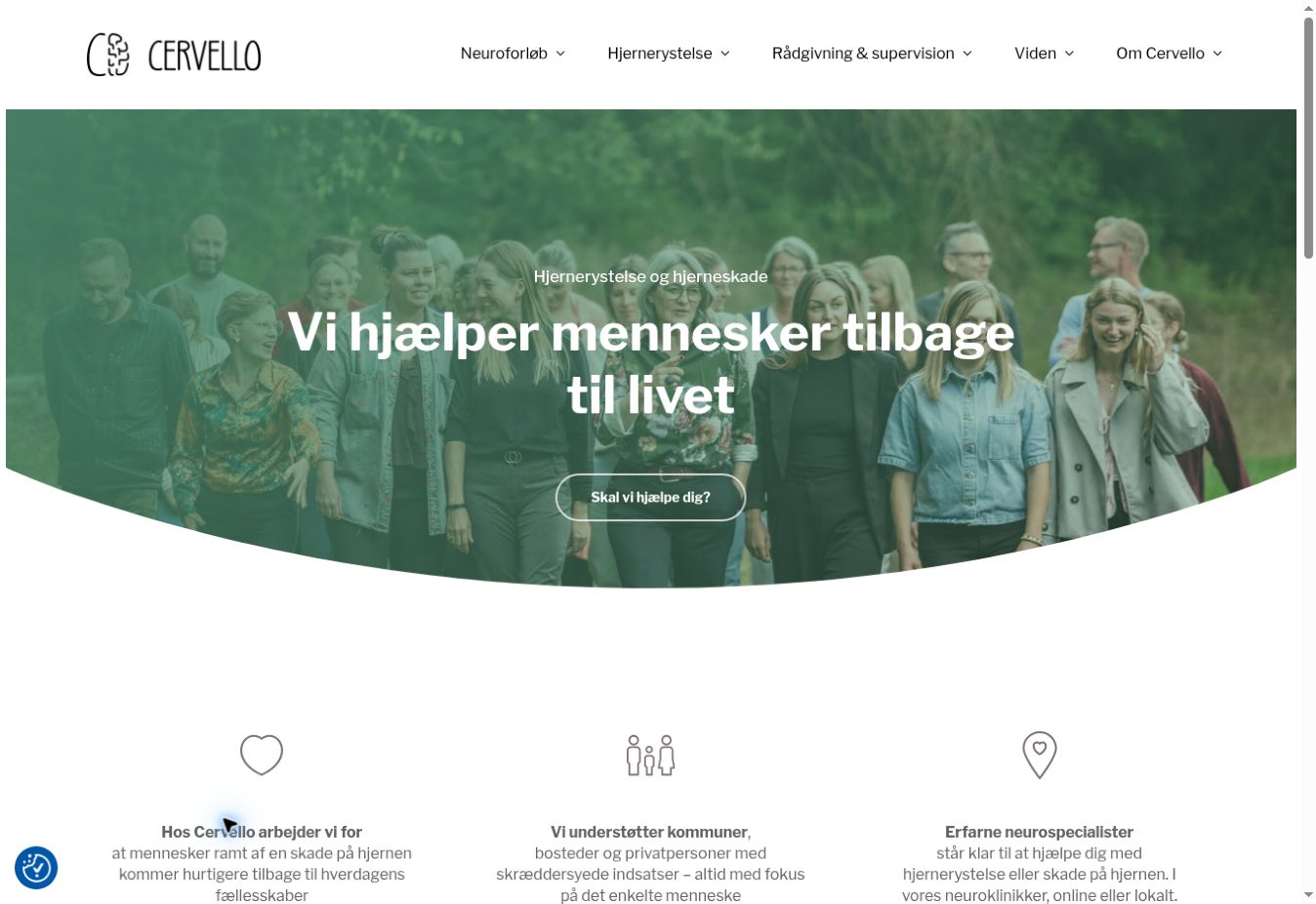
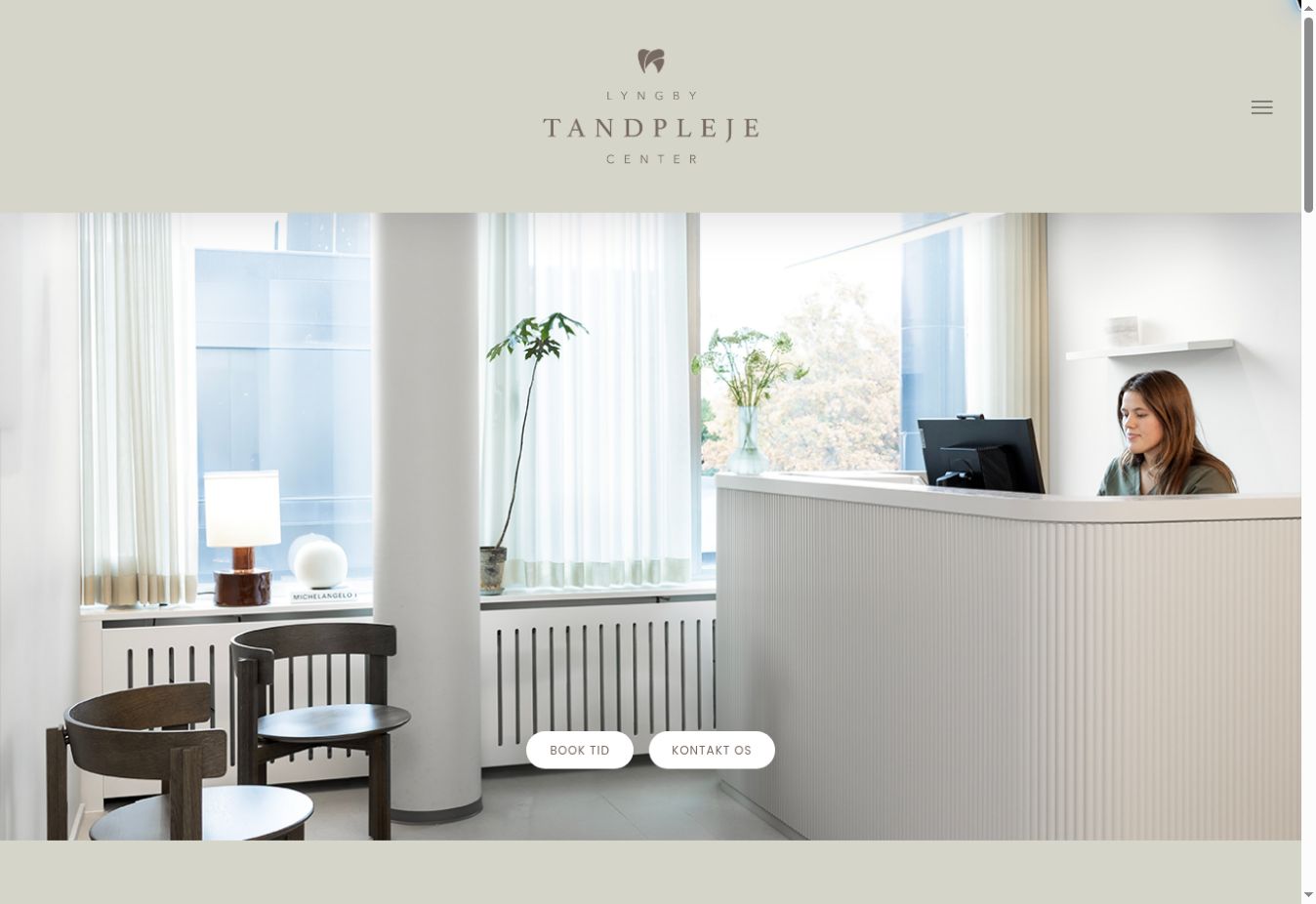
See my website projects for Cervello and Talent Assessment Partners for examples of structure and visual design. The right direction for your redesign starts with your own business.
Plan the URLs and the launch
A redesign changes a website that may already receive visitors and have links pointing to it. We therefore review the relevant existing URLs. Addresses that still make sense can be kept. When a page moves, an appropriate permanent redirect should be part of the plan.
Old pages should not automatically redirect to the homepage. The new destination should match the content a visitor expected to find. We also review internal links, page titles, descriptions and the sitemap against the new structure. No redesign process can guarantee unchanged Google rankings; a considered migration plan reduces avoidable errors.
Checks before and after launch
Before launch, we review the agreed pages on mobile and larger screens. Navigation, contact routes, forms, links and the display of photography and film should work. We also consider readability, keyboard operation and the elements that affect loading.
Responsibility for the domain, hosting, backup, updates and subsequent maintenance should be clear. We review everyday editing as part of the handover. After launch, the public website and agreed redirects are checked. Any further measurement or optimisation is agreed around your needs and access to data.
What does a website redesign cost?
The cost depends on what needs keeping and rebuilding: the number of pages, content, functions, language versions and any photography or film production. We agree the deliverables and schedule before work begins. A review of the existing website makes a proposal more useful than a standard price that ignores the starting point.
Frequently asked questions about redesign
Does all the content need rewriting?
No. Useful content can be retained and adapted to the new structure. We assess what still helps visitors and what needs a clearer explanation.
Can the website stay online during the work?
This is agreed as part of the plan. Typically, the new solution is developed separately from the public website, with the changeover planned in advance. Existing hosting and particular integrations can affect the process.
How long does it take?
It depends on scope, material and feedback. We agree milestones and responsibility for content so expectations are clear from the beginning.
What should we send to get started?
A link to the current website, a short description of the difficulties and what you want to achieve. It also helps to know who updates the website today.
I am based in Hørsholm, north of Copenhagen, and work directly with businesses on design and visual content. Send me your current website address and a few lines about the project, so we can start with what actually needs improving.